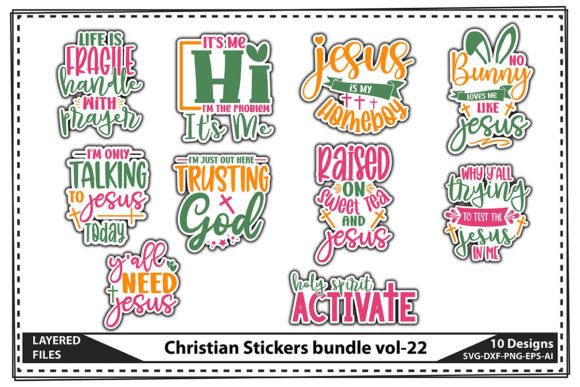
Pray SVG, Christian SVG, Jesus SVG Graphics for Faith-Based Crafts
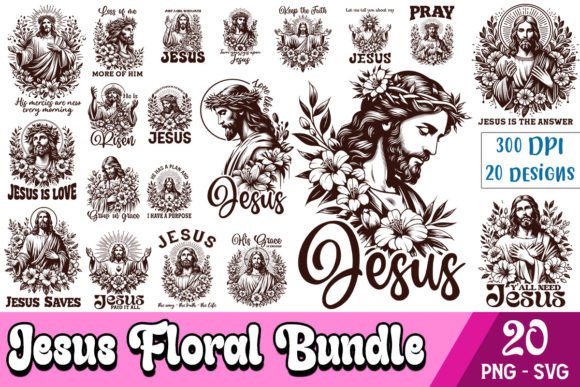
When I first opened the Pray SVG, Christian SVG, Jesus SVG asset pack, I was looking for a graphic design asset that could bring warmth and intention to faith-based content without sacrificing editorial polish. As someone who builds blog layouts, designs Pinterest pins, and creates downloadable resources for content websites, I have learned that the right visual element can make the difference between a page that feels disposable and one that earns trust. This set immediately struck me as a versatile tool for publishers who need clean, meaningful visuals that support spiritual and lifestyle content. The mood it creates is devotional yet modern, grounded yet refined. It does not feel overly decorative or strictly seasonal. Instead, it offers a timeless quality that works across editorial design, social media graphics, and digital products aimed at audiences seeking encouragement, reflection, or community.
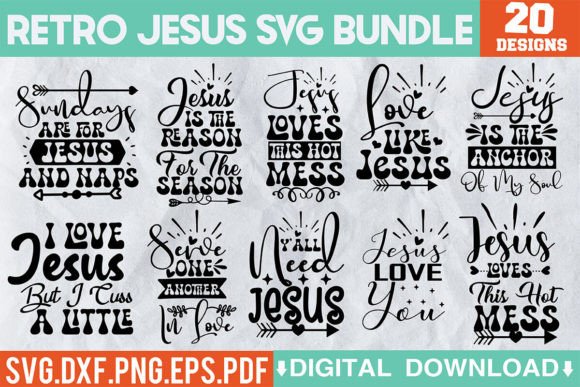
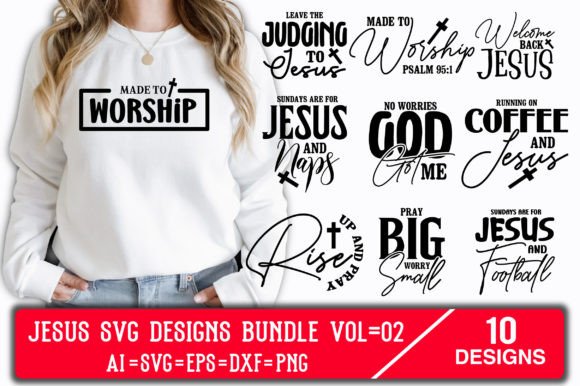
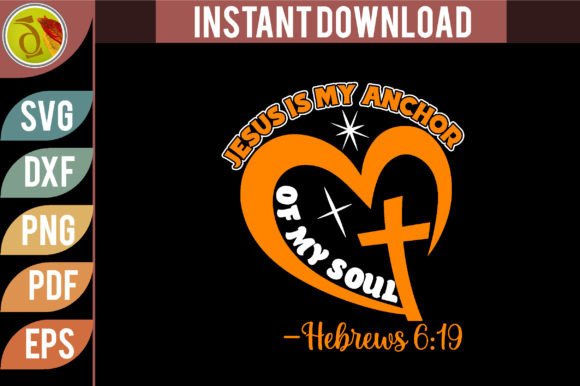
The Pray SVG, Christian SVG, Jesus SVG collection arrives as a digital download with multiple file formats including SVG, PNG, PDF, EPS, DXF, AI, and JPG. This breadth of formats matters for real publishing workflows. Whether you are building a website header in a CMS, designing a printable guide in Canva, or preparing a commercial design for a client project, having access to vector and raster options means you can adapt the asset without rework. The packaging is straightforward, and the file organization makes it easy to locate the version you need for a given task. For a creative entrepreneur or affiliate marketer juggling multiple content channels, that kind of simplicity is a quiet relief.
First Impressions and Editorial Mood in a Faith-Based Niche
The visual language of Pray SVG, Christian SVG, Jesus SVG leans toward a modern, clean, and slightly artistic aesthetic. It does not feel overly ornate or dated. The lines are purposeful, and the overall composition supports a calm, reflective tone. In my experience, readers respond well to graphics that feel intentional rather than generic. When you place this asset on a blog post about prayer, gratitude, or spiritual growth, it subtly reinforces the message without competing for attention. It creates a visual anchor that signals quality and care. For content marketers and newsletter creators working in the faith and lifestyle space, this kind of design asset helps establish a consistent brand identity that readers recognize and trust over time.
From a visual hierarchy standpoint, the asset works well as a hero image element or an editorial accent. It does not overwhelm the layout. It sits comfortably alongside text, whether you pair it with a serif font for a traditional feel or a sans serif font for a more contemporary look. I tested it with a handwritten font as well, and the combination felt personal and warm. That flexibility is rare in many graphic design assets. Publishers who need to maintain a cohesive visual system across blog graphics, social media visuals, and digital guides will find that this design integrates smoothly without forcing a specific style. It is lifestyle-focused without being generic, and it is professional without being cold.
Real Publishing Workflows: From Blog Featured Images to Pinterest Pins
In my own content publishing workflow, I use Pray SVG, Christian SVG, Jesus SVG in several specific ways. The first is blog featured images. A strong featured image sets the tone for the entire article. When I place this asset behind a headline, it creates a clean visual hierarchy that draws the eye and encourages clicks. The contrast is good enough that text remains readable, even at smaller thumbnail sizes. I also use it for Pinterest pins. The faith and spirituality niche performs well on Pinterest, and having a design asset that feels authentic rather than stock-like improves click-through rates. I have seen a noticeable difference in engagement when the visual matches the emotional tone of the content.
Beyond blog and social media, I have incorporated this asset into lead magnets and digital guides. For example, I created a printable prayer journal cover using the SVG file. The result looked polished enough to offer as a free download to build an email list. The file format options made it easy to resize and adjust without losing quality. I also used the PNG version in a newsletter banner, and the asset held up well across desktop and mobile previews. For affiliate marketers promoting faith-based books, courses, or resources, this design asset can serve as a consistent visual element across multiple content touchpoints, including article headers, category thumbnails, and social media graphics. It supports a cohesive brand identity that builds reader trust over time.
Content Performance and Visual Communication Benefits
When I evaluate a graphic design asset for editorial use, I consider how it affects content performance. The Pray SVG, Christian SVG, Jesus SVG asset contributes to a stronger first impression, which is critical for reducing bounce rates and increasing time on page. Readers decide within seconds whether a page looks credible. A polished, well-placed visual signals that the content is worth their attention. This asset also supports clearer visual hierarchy. When used as a background element or an accent, it frames the text without distracting from the message. That balance is essential for blog posts, article headers, and website banners where the primary goal is communication.
Consistent branding is another performance factor. Small business owners and creative entrepreneurs who publish regularly need design assets that look like they belong together. The Pray SVG, Christian SVG, Jesus SVG set provides a visual thread that can run through a website, social media feed, and downloadable resources. Over time, that repetition builds recognition and trust. I have used it in a series of blog posts about spiritual habits, and the visual consistency helped the series feel like a cohesive collection rather than a set of unrelated articles. For content marketers and online educators, that kind of brand identity is invaluable for audience retention and referral traffic.
Where the Asset Works Best in Editorial and Website Design
Based on my testing, the Pray SVG, Christian SVG, Jesus SVG asset performs best in the following contexts: hero images for blog posts, article thumbnails, Pinterest pins, category visuals for faith-based sections, newsletter headers, and social media previews. It also works well as a design element in digital guides, printable designs, and Canva templates for lead magnets or content upgrades. The clean, modern style fits both light and dark backgrounds, and it maintains its integrity at various sizes. For website headers, it adds a layer of visual interest without overwhelming the navigation or headline text. In editorial design, it functions as a subtle background or a decorative accent that supports the reading experience.
I also found it effective for small business branding materials. If you are a creative entrepreneur building a brand around faith, spirituality, or personal growth, this asset can appear on media kits, website headers, and social media graphics. It communicates a sense of purpose and care. For affiliate marketers, using this asset in content visuals can help differentiate your pages from generic affiliate sites. It adds a layer of personality and professionalism that readers notice. When you pair it with thoughtful copy, it elevates the entire user experience.
Where to Use This Design Asset Carefully
No design asset is universal, and I always recommend testing Pray SVG, Christian SVG, Jesus SVG in specific contexts before committing to a full layout. I suggest using it carefully in small mobile thumbnails where fine details may become less visible. At very small sizes, the asset can lose some of its impact, so consider pairing it with a solid color background or simplifying the composition for mobile-first designs. It also requires attention in text-heavy blog images where the headline must remain dominant. If the asset sits behind dense text, check contrast and readability carefully. Busy layouts or low-contrast backgrounds can muddy the visual hierarchy, so test it against your actual content before publishing.
For corporate content or very minimal visual systems, this asset may feel too decorative. If your brand relies on stark, no-nonsense imagery, the devotional tone of the design might not align. Similarly, in serious professional niches outside of faith-based or lifestyle content, the asset could feel out of place. Always consider your audience and the context. I also recommend testing the asset in black and white to see how it reads without color. This is a useful check for editorial design, where some readers may view content in grayscale or with reduced color settings. The asset holds up reasonably well, but the emotional impact shifts without color, so plan accordingly.
Practical Publisher Notes for Real-World Implementation
Before you use Pray SVG, Christian SVG, Jesus SVG on a monetized website, affiliate page, or paid content product, confirm the commercial license terms. The product description clearly states that this is a digital download with no physical items shipped. The included file formats are SVG, PNG, PDF, EPS, DXF, AI, and JPG. I recommend testing the asset on both desktop and mobile screens to ensure it scales properly. Preview it inside a real blog layout with headline text placed over or beside it. Check contrast and readability with serif, sans serif, script, handwritten, and display font styles. The asset works well with most fonts, but script fonts require extra attention to avoid visual clutter.
File size is another consideration for web performance. The SVG and PNG files are lightweight, but I always compress images before uploading to a content management system. Use a tool like TinyPNG or a similar compressor to reduce file size without sacrificing quality. This step is especially important for lead magnets and digital guides where multiple graphics may slow down a page. For Canva templates, the PNG and SVG formats integrate easily, and the PDF version is useful for printable designs. The EPS and AI files are helpful if you work in professional design software and need editable vector layers. The DXF format is a bonus for crafters using cutting machines, which expands the asset's utility beyond digital publishing.
Finally, I recommend testing the asset in a real publishing workflow before committing to a large batch of content. Place it in a blog post, create a Pinterest pin, build a newsletter header, and see how it feels across channels. The Pray SVG, Christian SVG, Jesus SVG asset has earned a permanent place in my design library for faith-based and lifestyle publishing. It supports visual communication, editorial quality, and brand identity in a way that feels authentic and professional. For bloggers, content creators, small business owners, and creative entrepreneurs looking to strengthen their visual presence, this graphic design asset is a practical and thoughtful addition to any digital toolkit.